FORGEOS CASE STUDY · INSTANTLY BOOST+
LIVE CASE STUDY · 3-WEEK BUILD
From LinkedIn lists to sales-ready enquiries.
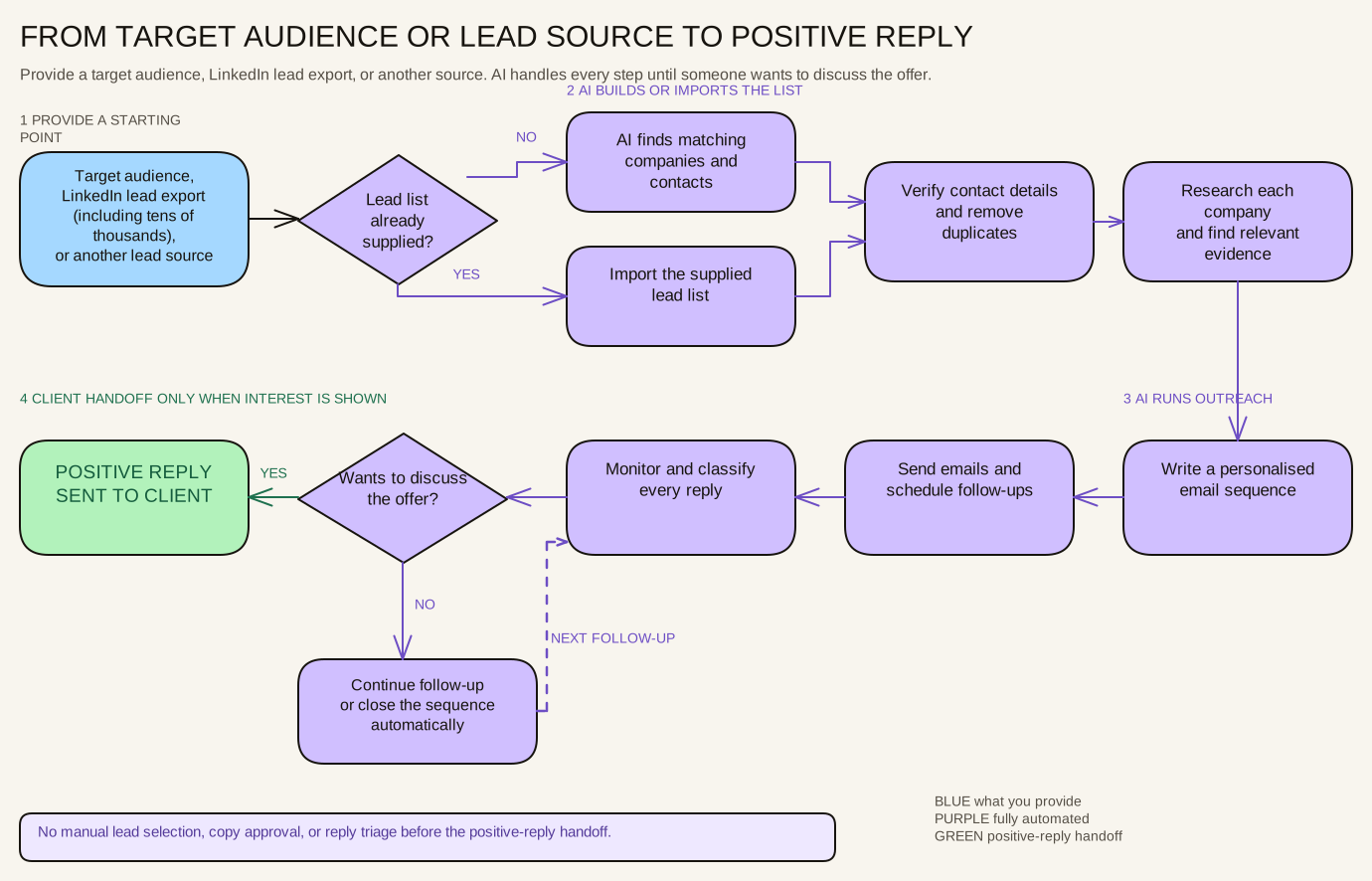
The client needed one scalable path from supplied LinkedIn profiles or domains through contact enrichment, research, tailored offers, relevant emails and strategic follow-up—stopping only when an enquiry reached the sales team.
Discuss a build for your studiolist↓HANDOFFSales-ready
prospectsAnonymous client · sales team takes over here
EARLY TEST EVIDENCE
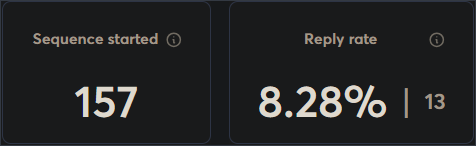
13 replies from the first 157 leads emailed.
In the first controlled test, 157 leads were emailed and 13 replies came back, an 8.28% reply rate. This early signal did not yet measure booked calls or sales.
THE FLOW
LinkedIn profile or domain to sales-ready enquiry.
WORKING EVIDENCE
Instantly Boost+ and its first controlled test.
The client remains anonymous. The evidence below comes from the working system and its first controlled test.
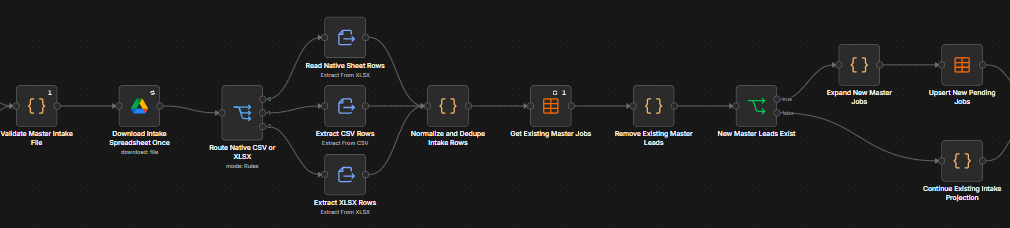
Intake automation
First controlled campaign
3-WEEK PROCESS
How this build was delivered.
Every phase was done in sequence and reviewed before moving to the next.
- 01COMPLETE
Define goals in interviews
- Interview decision makers and define sales goals
- Agree who to target, the offer, and what counts as a sales-ready reply
- Set clear rules for finding the right companies and contacts
- 02COMPLETE
Build early version in week two
- Build a first working outbound sequence
- Write the first emails from researched company facts
- Send a controlled test and record the results
- 03CURRENT
Refine through week three
- Improve the emails, the timing, and the follow-up
- Judge every change on sales-ready replies
- Optional ongoing support after week three
WHAT THIS BUILD COST
$6,500 development cost.
$3,500 upfront. $3,000 on completion. This introductory rate was agreed alongside permission to share the results in this anonymous case study.
The model below keeps the client's $6,500 development cost fixed and uses editable assumptions to show projected booked calls, sales, revenue, profit, and payback.PROJECTED MONTHLY ECONOMICS
A directional model of the client's path to booked calls and sales.
All figures in USD
Projected monthly economics for the client.
Five emails per prospect. Total monthly sends determine prospect volume, operating costs, and projected commercial outcomes.
Modeled sales-team outcomes after handoff
Project scope: This build was intentionally limited to the outbound process through the sales-ready handoff, excluding the client's sales process. Booking, sales follow-up, and closing could be developed as a later extension.
THE SALES-TEAM HANDOFF
Automation stops when the sales conversation should begin.
When a prospect wants to discuss the offer, the workflow stops follow-up and sends the opportunity to the client's sales team. That sales team owns the booked call, sales conversation, and close.
Discuss a build for your studio← Back to selected builds